
SoftWave Therapy in San Diego: What to Expect
SoftWave is a device-based service that applies acoustic waves to a selected area through an applicator placed on the skin. At True Chiropractic in San Diego, the process begins with an evaluation rather than a promise of a result. The evaluation reviews why you are considering the service, whether it is appropriate to proceed and what will happen during the session. During a session, gel, an applicator and a series of pulses are used, with your feedback helping the clinician adjust the experience.
Review the full service overview before choosing a next step.
Where: Available at our Kearny Mesa office.
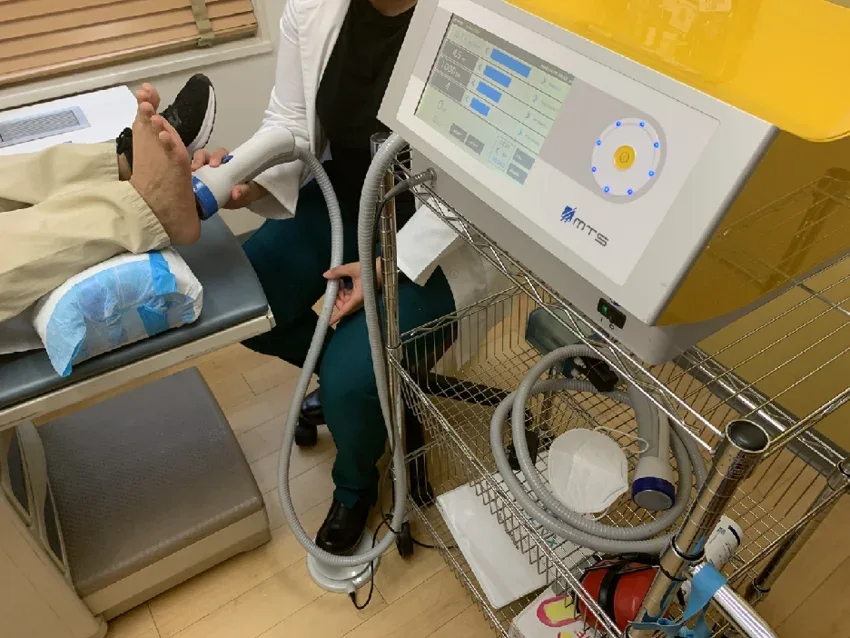
How SoftWave relates to acoustic wave and shockwave therapy in San Diego
SoftWave uses acoustic waves produced by a handheld device. The applicator transfers those waves through the skin to an area selected by the clinician. The words acoustic wave and shockwave describe the type of energy used; they do not, by themselves, establish what result you will have or how many sessions you may need.
Ask which device will be used, why the clinician is considering it for your concern and what evidence supports that use. Discuss the precautions, alternatives and a plan for reviewing your response before starting.
How the SoftWave evaluation guides the next step
A SoftWave consultation should begin with the reason you are considering treatment, your history and the activity or function you want to discuss. The office should identify who performs the evaluation and their qualifications. The evaluation can address whether SoftWave is being considered on its own or alongside another service and what information supports the recommendation. Evaluation does not guarantee that treatment will be recommended.
Bring questions about current conditions, medications, recent procedures and anything else that could affect screening. Ask the clinician for the contraindications and precautions for the device in use. Ask who performs the session, what training that person has, how intensity is chosen and what would cause the session or plan to change.
What happens during a SoftWave treatment in San Diego
The office process has four basic steps. First, the person performing the session identifies the area to address. Ask who performs the session and what device-specific training they have. Next, gel is placed on the skin to help the applicator make contact. The applicator is moved over the selected area while it delivers pulses. You give feedback during the session so the clinician can check the location and adjust the experience.
The practice describes most sessions as taking about five to ten minutes, with larger areas taking longer. Treat that as a published estimate rather than a guaranteed appointment length. Ask how much time to allow when you schedule. Sensation can vary, so tell the clinician what you feel instead of trying to tolerate an intensity that concerns you.
A session is only one part of the decision. Before continuing with a series, ask how your response will be assessed, when the recommendation will be reviewed and what changes would lead the clinician to stop or suggest another option. Discuss the proposed number and spacing of sessions individually.
Questions to ask before choosing SoftWave
Ask why SoftWave is being recommended for your specific concern and what evidence supports that use. You can also ask about the device model, the clinician’s training, expected session length, total cost, alternatives and the plan for reassessment. A useful answer should connect the recommendation to your evaluation rather than rely on a broad statement that the technology helps everyone.
SoftWave is one of the chiropractic services in San Diego offered by True Chiropractic. The services page describes the available options, which can help you discuss whether hands-on care, guided movement, another device-based option or no in-office service is the most reasonable next step.
Other services you can discuss after your evaluation
Six other services are available at the same office. Each requires its own explanation and screening rather than being treated as interchangeable with SoftWave.
- Chiropractic adjustments: hands-on joint care considered in relation to exam findings, technique and your comfort.
- Laser therapy: focused light applied to a selected area, with device details and precautions discussed before use.
- Weight management: a listed service whose current program structure, responsible clinician and inclusions should be confirmed with the office.
- Hyperbaric oxygen therapy (HBOT): oxygen used inside a pressurized chamber; ask about chamber type, pressure, oversight and the evidence for your reason for considering it.
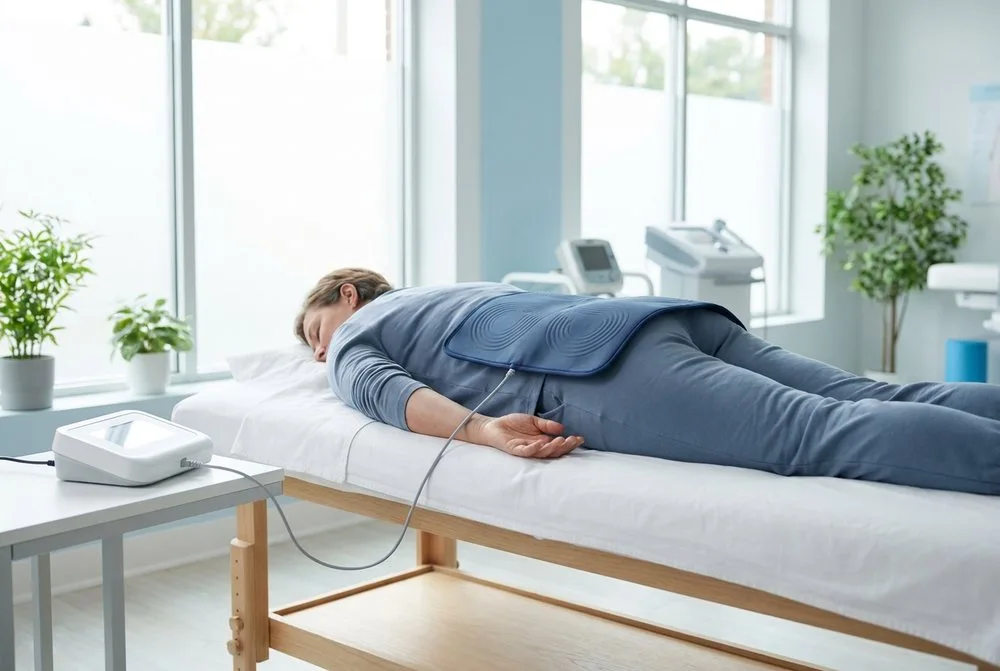
- PEMF therapy: pulsed electromagnetic fields delivered by a device, with health history and relevant screening reviewed first.
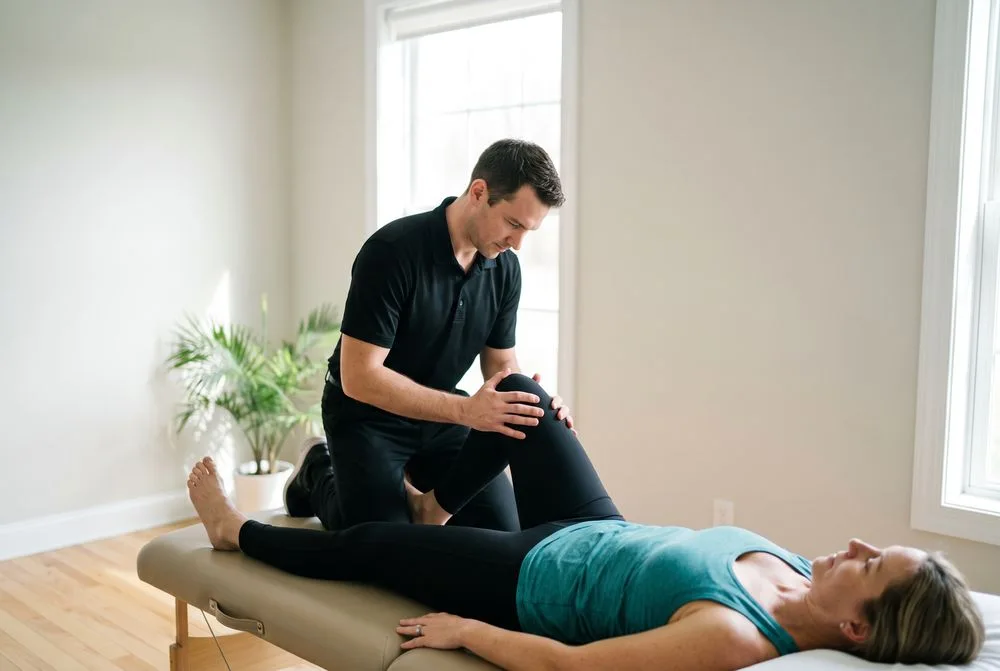
- Stretch therapy: one-on-one assisted stretching planned around movement goals, range and your feedback during the session.
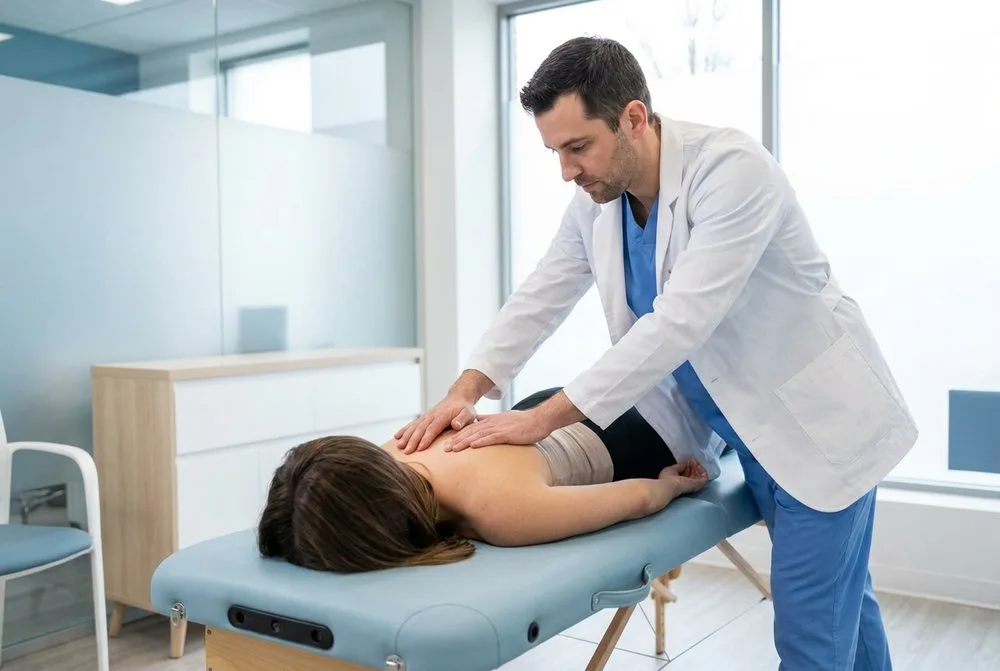
Chiropractic adjustments
Hands-on care guided by your exam.
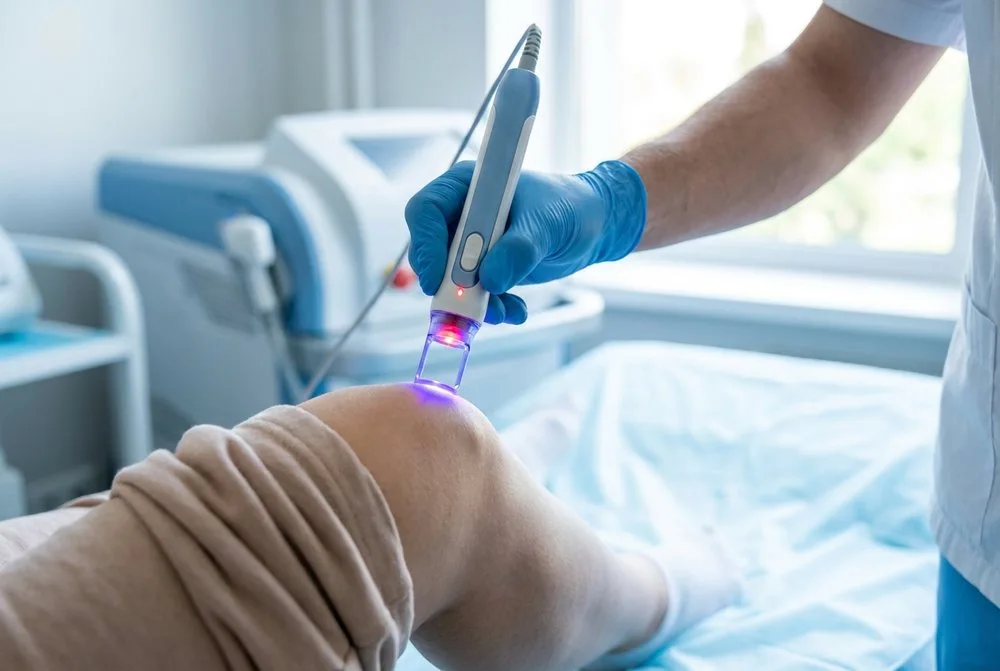
Laser therapy
Discuss light therapy and screening.

Weight management
Discuss food, movement and daily habits.
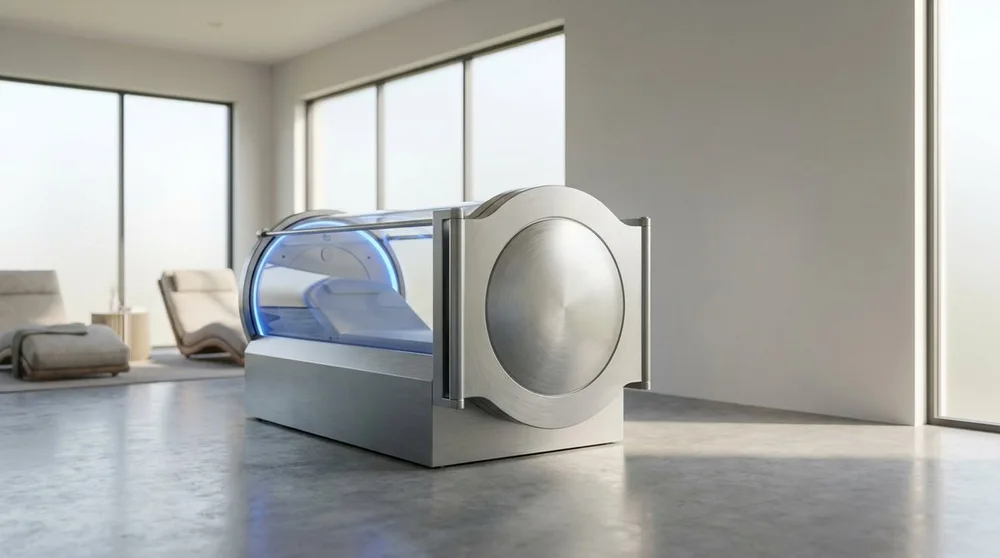
Hyperbaric oxygen therapy
Ask about the chamber and suitability.
PEMF therapy
Explore a device-based option after screening.
Stretch therapy
Guided stretching around your movement goals.
Office Hours
Common questions
What is SoftWave therapy?
SoftWave is a device-based service that applies acoustic waves through an applicator placed on the skin. The treatment area is selected after an evaluation. Ask the clinician how the proposed session relates to your concerns and what to expect.
What does a SoftWave session feel like?
You may feel pulses as the applicator moves over the selected area. Sensation can vary. Tell the clinician what you feel so the location and intensity can be adjusted during the session.
How long does a session take?
The practice estimates about five to ten minutes for most sessions, with larger areas sometimes taking longer. That is not a guaranteed appointment length, so ask how much time to allow when scheduling.
How many sessions may be recommended?
A recommendation should reflect your evaluation, response, goals and the clinician’s plan. Ask when progress will be reviewed and what would lead to continuing, changing or stopping.
Who should not receive SoftWave therapy?
Share your health history, medications and recent procedures during screening. Ask the clinician to explain the contraindications and precautions for the device being used and whether you need any additional clearance.
What happens during a SoftWave consultation?
The consultation should cover why you are considering the service, the area involved, relevant history, screening questions, what the device session involves and how findings will be explained. A consultation is an evaluation step and does not guarantee treatment or an outcome.
Schedule your visit
Appointments for this service are made by phone. Call us to set up your first visit.